

Flexibility for the Inflexible
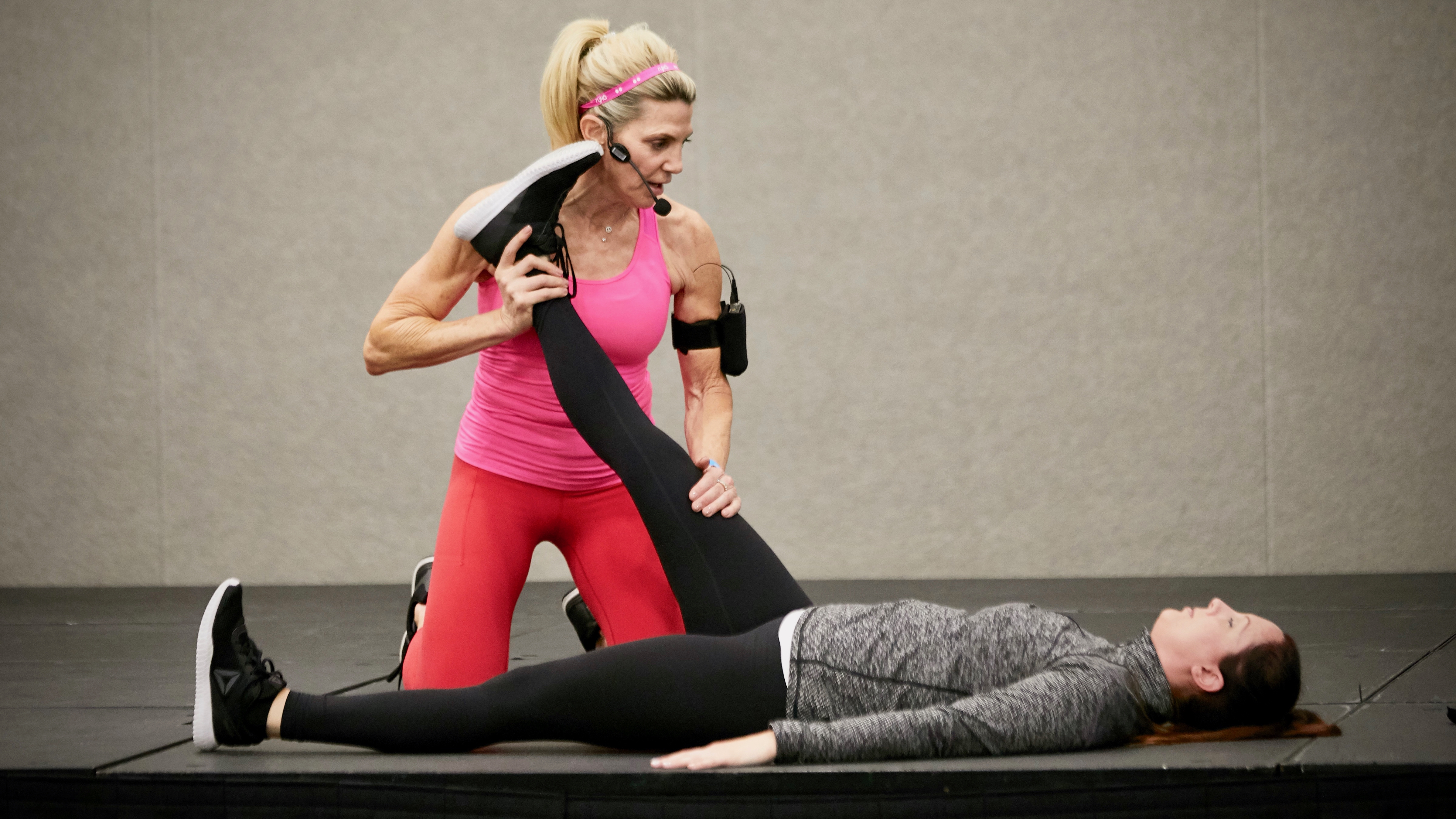
Immobility and inflexibility increases movement inefficiencies, which create postural imbalances and leave the body prone to pain and overuse injuries. In an interactive setting, learn the science behind myofascial release and corrective flexibility training techniques. Apply smart movement strategies to target the stability/mobility relationships that balance the body's structures.
Learning Objectives
- Review the law of facilitation and its implications for injury.
- Define length-tension relationships and force-couple relationships as they pertain to optimal neurological control.
- Differentiate between stability and mobility within the body and explain how these differences can influence compensatory movement patterns.
- Examine the Human Movement Impairment and Cumulative Injury Cycle.
- Identify five stretching modalities and the purpose for each.
- Outline the four primary myofascial slings, the muscles involved and the function of each sling.
Course Procedure
- Enroll in the course.
- View the course content.
- Take the test. (You must score 80% to pass. If you do not pass, you may retake the test.)
- Print your certificate of completion.
Course Content
- Flexibility for the Inflexible
- Session Handout
- Flexibility for the Inflexible
Available Course Credits
ACTION0.1
ACSM1
AFPA1
AFAA1
BCRPA1
CHEK1
FAI/ISSA1
IFPA1
NASM0.1
NAFTA1
NAFC0.1
NCEP1
NCCPT1
NCSF0.5
NESTA0.1
NETA1
NFPT0.2
NIEW0.1
NSPA1