


2025 IDEA Fitness Journal Issue 4, Quiz 3: The Science of Tech, Behavior Change and Program Adherence
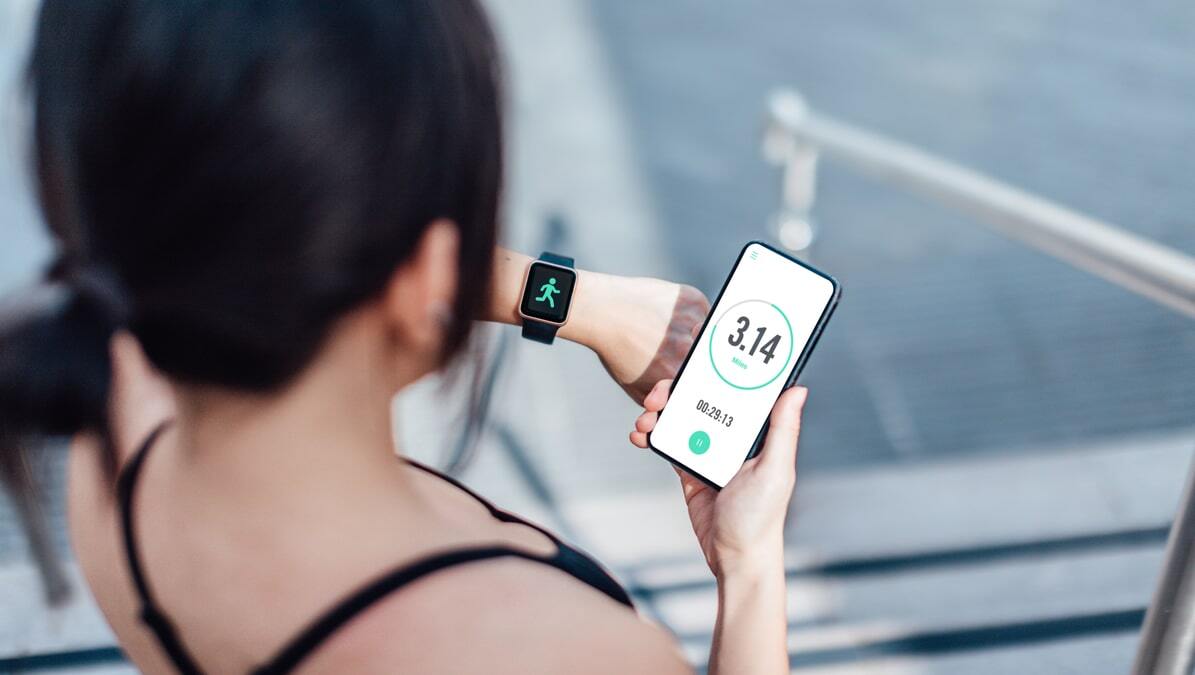
Digital tools are now deeply integrated into clients’ health and fitness journeys, yet their effects on motivation, self-efficacy, emotional well-being and adherence are often misunderstood. This course provides fitness professionals with an evidence-based understanding of how wearables, apps, virtual platforms and AI coaching systems influence behavior change, helping you distinguish between tools that support autonomy and sustainable habits and those that may create overload or undermine confidence. Through a people-first coaching lens, you will learn how to interpret data meaningfully, match technologies to client needs and integrate digital tools into hybrid coaching systems that promote clarity, resilience and long-term consistency.
Learning Objectives
After completing this course, participants will be able to:
- Describe how core behavior-change frameworks such as self-determination theory and habit formation apply to digital fitness tools.
- Evaluate the potential benefits and risks of wearables, tracking apps and AI platforms for client motivation and adherence.
- Identify cognitive, emotional and accessibility factors that influence a client’s experience with technology.
- Teach clients to interpret and contextualize data trends in ways that reinforce intrinsic motivation and resilience.
- Integrate technology into hybrid coaching models that enhance clarity, autonomy and connection rather than overwhelm or pressure.
Course Procedure
1. Enroll in the course.
2. View the course content.
3. Take the test. (You must score 80% to pass. If you do not pass, you may retake the test.)
4. Print your certificate of completion.
Course Content
- The Science of Tech, Behavior Change and Program Adherence Article
- 2025 IDEA Fitness Journal Issue 4, Quiz 3: The Science of Tech, Behavior Change and Program Adherence Final Exam